Morocco student tours offer an unusually rich mix of learning, adventure, and cultural discovery in a single destination. For students, the Kingdom is more than a place to visit, but a country where history, geography, religion, language, art, and daily life can all be experienced in direct and memorable ways. With EMA Travel Morocco, such tours can move from Roman ruins to medieval cities, Atlantic coastlines to mountain villages, and from modern urban centers to the edge of the Sahara.
Morocco Student Tours
The variety of available Morocco student tours makes the country especially valuable for educational travel because students are not only hearing about differences in culture and environment, but they are seeing and feeling them for themselves. One of the strongest reasons Morocco works so well for student tours is its location and identity. The Kingdom sits at the meeting point of Africa, Europe, and the Arab world. It has been shaped by Amazigh, Arab, African, Andalusian, Jewish, and French influences over many centuries.
For students, this creates a living classroom where identity is not simple or one-dimensional. A walk through a Moroccan city can open discussion about trade, migration, colonization, religion, architecture, and language all at once. Students quickly notice that the country cannot be reduced to a single stereotype. It is both traditional and modern, deeply rooted in history while also connected to global culture and commerce. Morocco student tours often begin in cities such as Marrakesh, Fes, Rabat, or Casablanca.
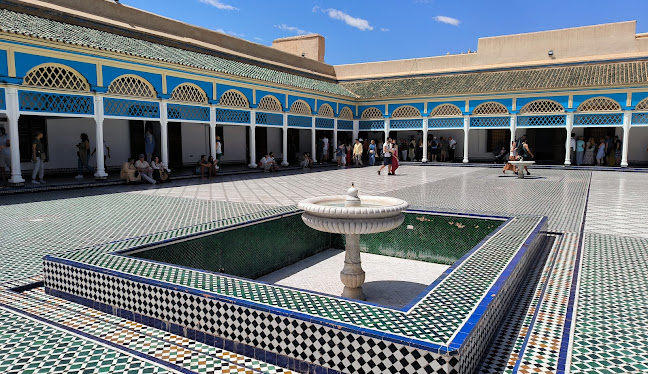
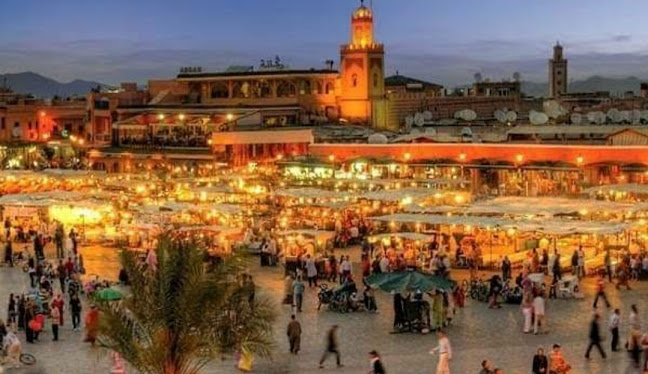
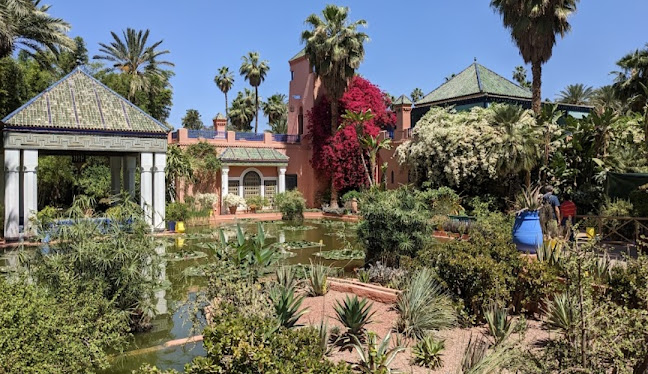
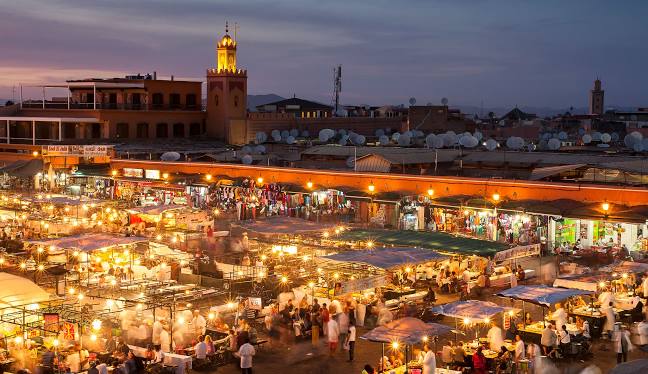
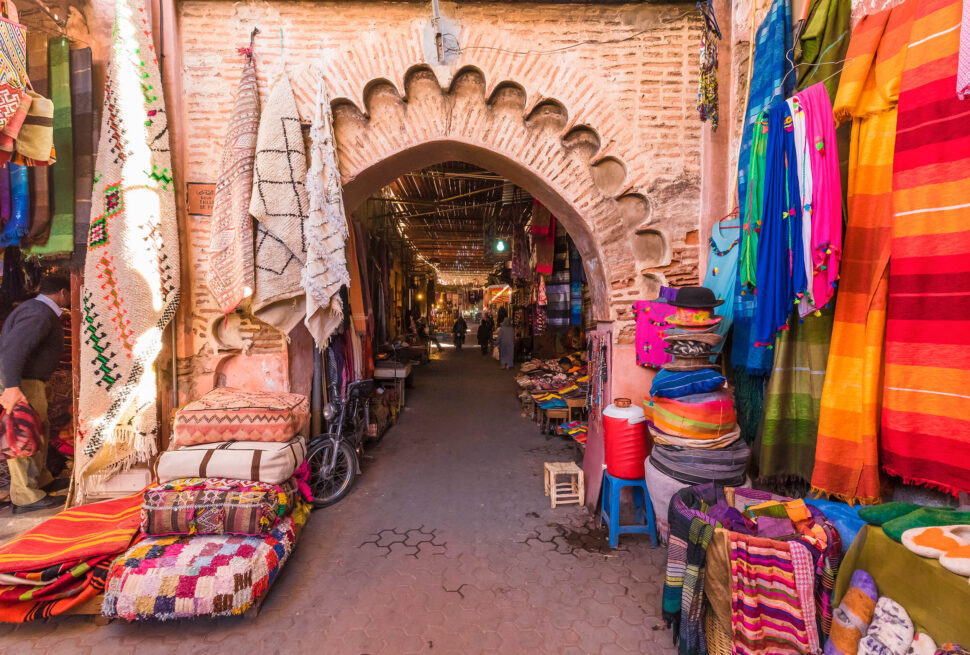
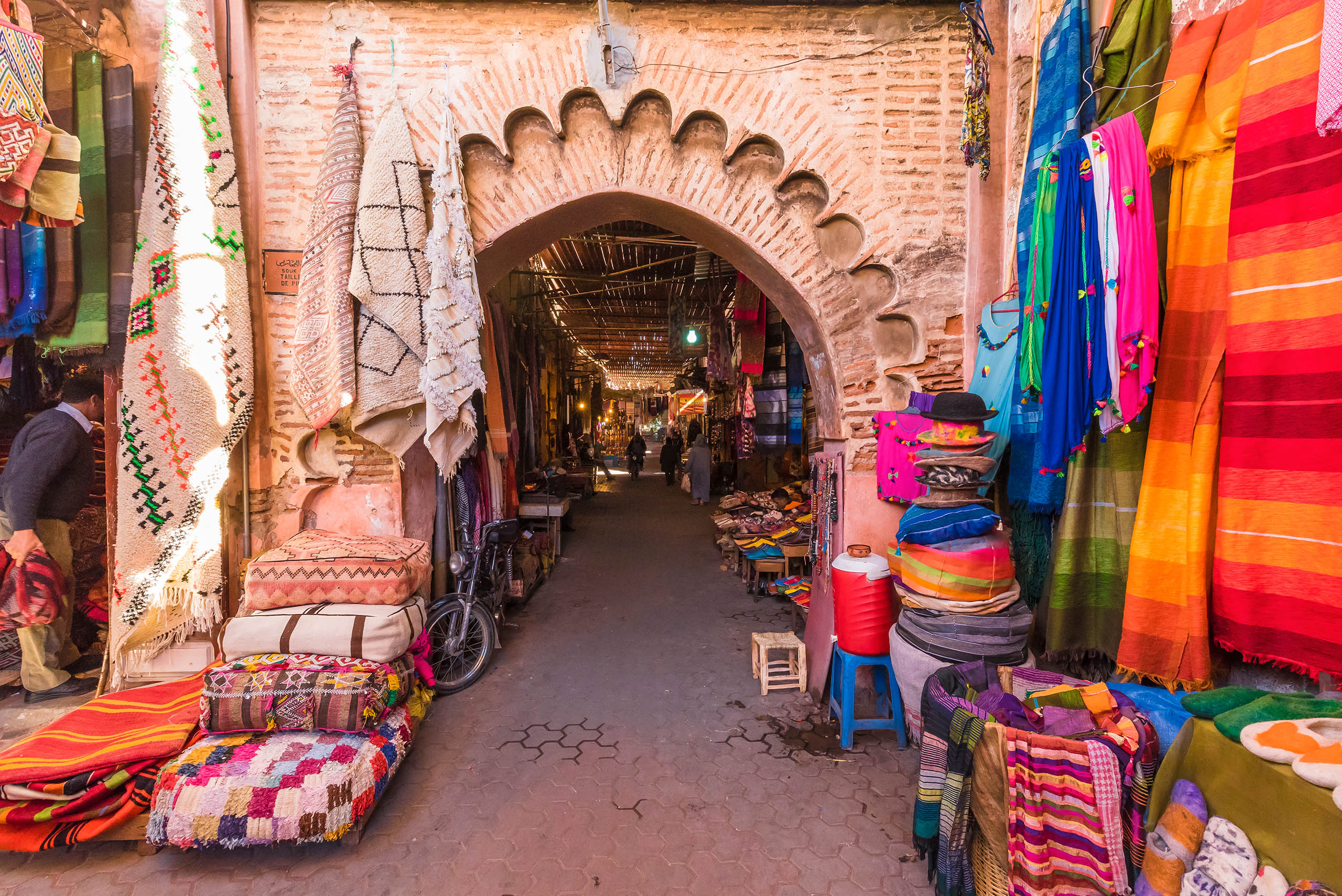
Each city offers a different lens on Moroccan life. Marrakech is often the most inspiring first impression. Its old medina, crowded traditional markets, historic palaces, and lively public squares show students how urban life has functioned for centuries in North Africa. The city’s architecture, with its courtyards, mosques, carved wood, and geometric decoration, create Morocco student tours teaching the importance of design and craftsmanship in Islamic civilization. At the same time, Marrakech is also a global tourism center, which makes it useful for discussing how heritage is preserved, marketed, and changed by international travel.
Fes is especially important for Morocco student tours focused in history, religion, and education. It is home to one of the world’s oldest continually operating universities most famous medinas in the region. In there, students can observe traditional industries such as leather tanning, metalwork, weaving, and ceramics. These are not just tourist attractions, but working examples of how artisanal economies survive in a modern world. For students, the experience of moving through the narrow lanes of Fes often becomes one of the most memorable parts of a tour because it feels like entering a different rhythm of life.
It raises questions about how communities organize space, preserve knowledge, and adapt without losing identity. Rabat, the capital, adds another layer to Morocco student tours. It introduces the Kingdom as a modern state with political institutions, diplomatic importance, and contemporary infrastructure. Student groups visiting Rabat can better understand Morocco not only as a historic Kingdom but also a present-day nation navigating development, governance, and international relations.
Casablanca serves a similar purpose but through the lens of economics and urban modernity. It is often associated with business, industry, and large-scale city life. For students, comparing it with older imperial cities can reveal the diversity within Morocco itself. A major strength of Morocco student tours is the chance to connect classroom subjects to real places. Students of history can study the Almoravids, Almohads, Saadians, and Alaouites while standing in cities shaped by those dynasties.
Morocco student tours focusing in geography can teach about climate zones, water systems, desert expansion, and mountain life through direct observation. Art students may study mosaics, calligraphy, textiles, and architecture in original settings. Language students can hear Arabic, Darija, Amazigh languages, French, Spanish, and English used in different combinations depending on the place as well as the situation. Even the students focused on business or development can gain insight into tourism, agriculture, trade, entrepreneurship, and the challenges of modernization.
The natural diversity of the Kingdom is another reason Morocco student tours are so rewarding. In a relatively short period, a group can travel from the Atlantic coast to the Rif or Atlas Mountains and then onward toward desert landscapes. This creates powerful learning opportunities about ecosystems, land use, transportation, and regional inequality. In mountain villages, students may see a very different pace of life from what they observe in large cities.
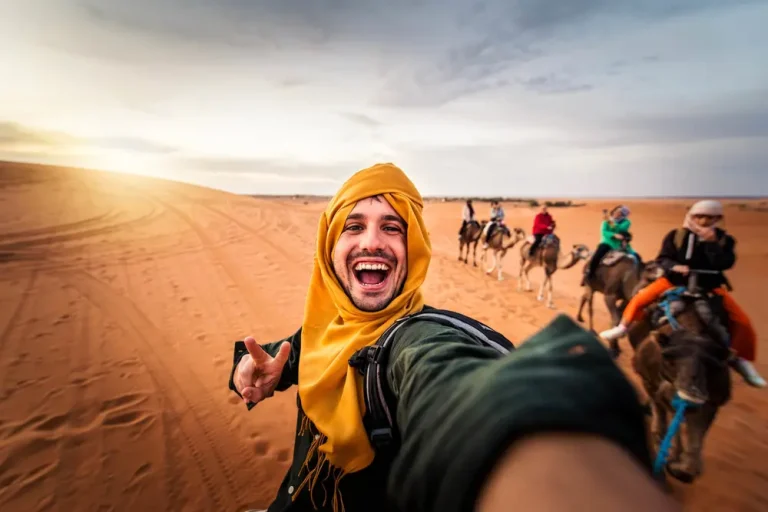
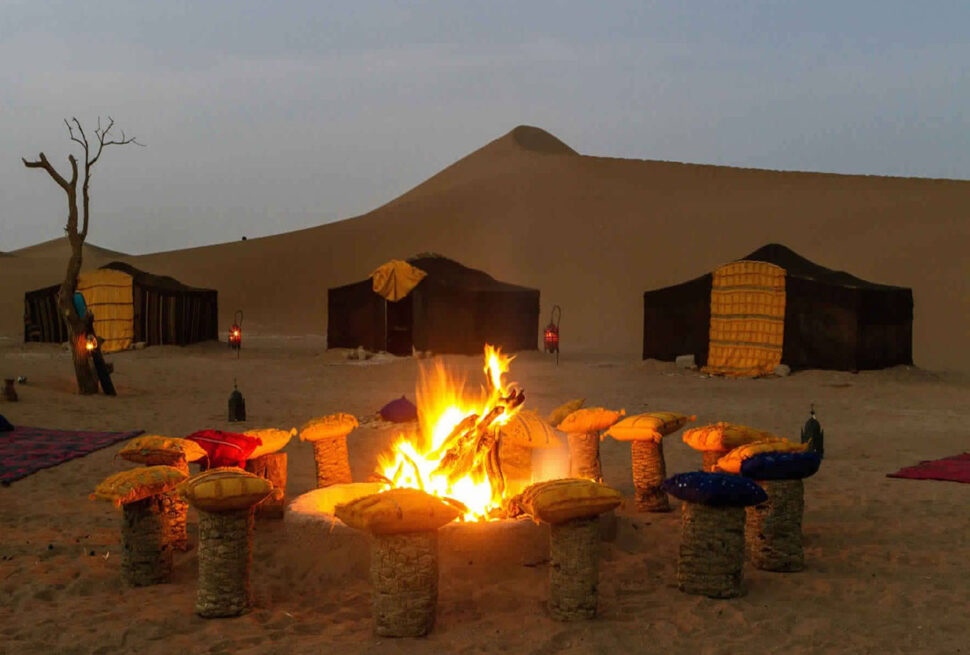
In the Sahara region, Morocco student tours can teach about the meanings of desert travel, oasis settlement, and environmental adaptation. These contrasts encourage students to think beyond simple ideas of national culture and to recognize how landscape shapes society. Many student tours also include homestays, school exchanges, community visits, or workshops with local artisans. These experiences are often the most educational part of the journey because they move students beyond observation into interaction.
Sharing a meal with a local family, speaking with Moroccan students, or participating in a cooking or craft workshop can deepen understanding in ways that museums alone cannot. Students begin to appreciate hospitality as an important social value in the Kingdom, and they often come from Morocco student tours with a stronger sense of global citizenship. They learn that cross-cultural understanding grows through humility, curiosity, and conversation rather than through quick judgments.
Food is another important dimension of Morocco student tours. Moroccan cuisine offers students an accessible entry point into questions of agriculture, trade, religion, family, and ritual. Dishes such as tagine, couscous, harira, and mint tea are not just meals. They reflect history, climate, hospitality, and regional identity. Eating together is often one of the easiest and most enjoyable ways for students to connect with local culture. It also helps students notice how food traditions carry memory and meaning.
For teachers and organizers, Morocco student tours have practical advantages. The Kingdom has a well-developed tourism infrastructure, a wide range of accommodations, and many routes designed for educational travel. There are opportunities for both budget-conscious groups and more specialized academic tours. Because Morocco is accustomed to international visitors, many local guides and coordinators are experienced in working with students.
That said, successful Morocco student tours still depend on careful planning. Programs are strongest when they balance major highlights with slower moments of reflection and genuine engagement. A tour that rushes between cities can become superficial, while one that allows time for guided discussion, journaling, and interaction will have lasting educational value. Safety, cultural respect, and preparation are also essential. Students benefit when they learn some basic etiquette before arrival, including dress expectations in certain spaces, respectful behavior in religious settings, and awareness of local customs.
This preparation does not limit the experience, but improves it by helping travelers move through Morocco with greater sensitivity and confidence. When students understand that they are guests in another culture, they are more likely to listen carefully and learn deeply. Morocco student tours are especially powerful because they challenge assumptions. Many students arrive with partial or simplified ideas about North Africa or the whole Arab world.
By the end of Morocco student tours, those ideas are usually more complex and human. Students have seen that Morocco is not frozen in the past, nor is it detached from the modern world. It is a country of layered identities, active debate, creativity, resilience, and change. Students return with more than photographs. They bring back a wider understanding of culture, a stronger sense of historical connection, and often a new confidence in their ability to navigate unfamiliar environments.
In this way, Morocco student tours are not just about a destination, but a place of encounter and perspective. A well-designed tour can support academic learning, personal growth, and intercultural awareness all at once. It can show students that education does not happen only in classrooms or textbooks. Sometimes it happens in the sound of a market, silence of a desert evening, tiles of a courtyard, story of a guide, or the welcome of a family table. That is what makes Morocco such a meaningful destination for student tours.