Morocco student trips are an excellent option because they offer a rare combination of educational value, cultural richness, geographic diversity, and affordability. Such journey can be much more than a simple excursion. It can become an experience that deepens knowledge, encourages curiosity, and helps young people understand history, society, language, and the environment in a direct and memorable way. With EMA Travel Morocco, whether the trip is designed for secondary school students, university groups, language learners, or international exchange programs, Morocco provides a wide range of possibilities.
Morocco Student Trips
One of the strongest reasons Morocco student trips are so valuable is the country’s cultural diversity. The Kingdom stands at the meeting point of Africa, Europe, as well as the Arab world, and this position has shaped its identity over centuries. Students visiting Morocco quickly notice that the country cannot be reduced to a single image. It is Arab, Amazigh, African, Mediterranean, traditional and modern at the same time. In one journey, students may hear Arabic, Amazigh languages, French, Spanish, and English.
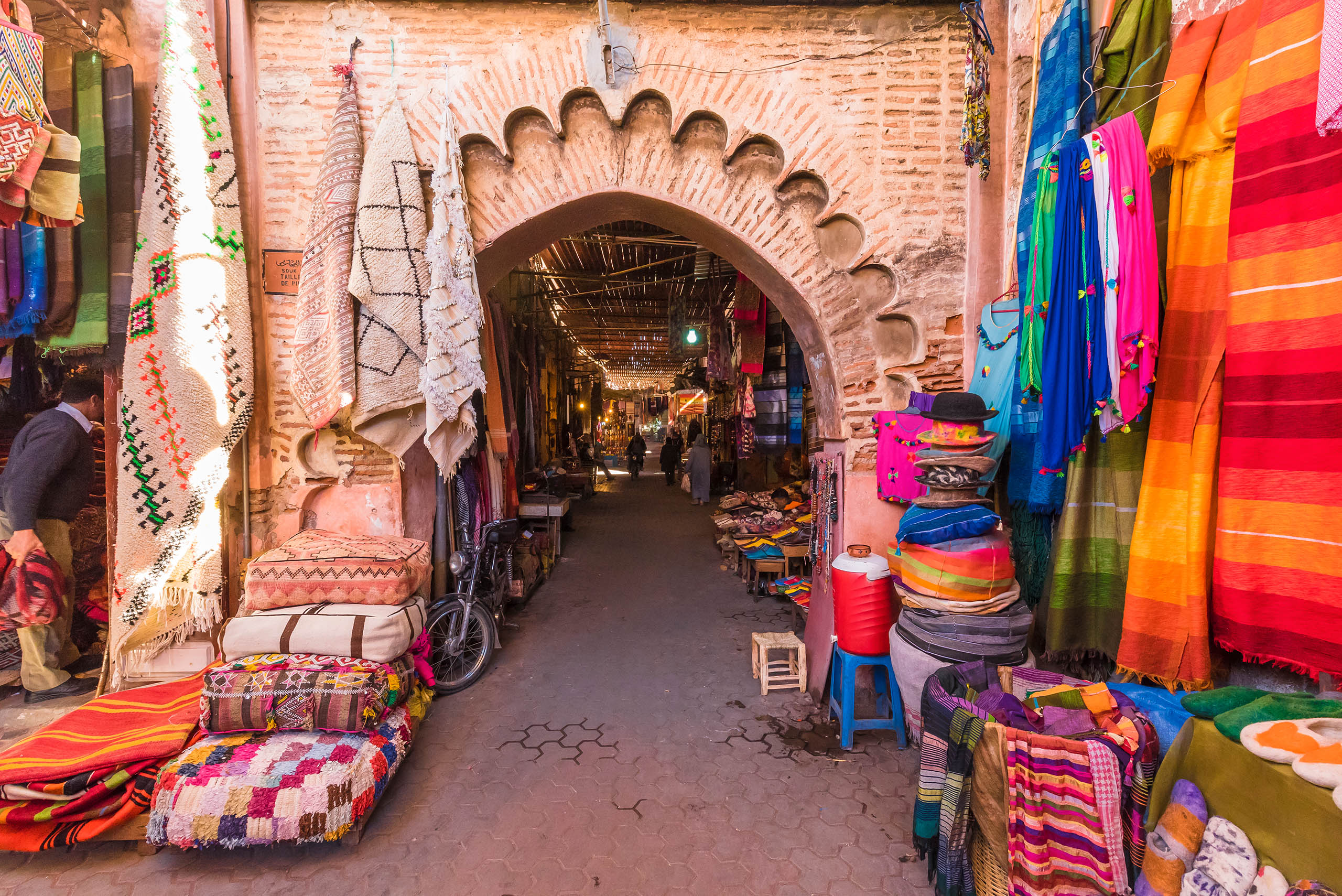
Morocco student trips can include ancient medinas and then walks through modern city districts filled with universities, businesses, and contemporary life. This contrast helps students understand that cultures are layered and dynamic rather than fixed and simple. Morocco is also especially rich in historical learning opportunities. Cities such as Fez, Marrakech, Meknes, and Rabat allow students to encounter living history rather than only reading about it in textbooks.
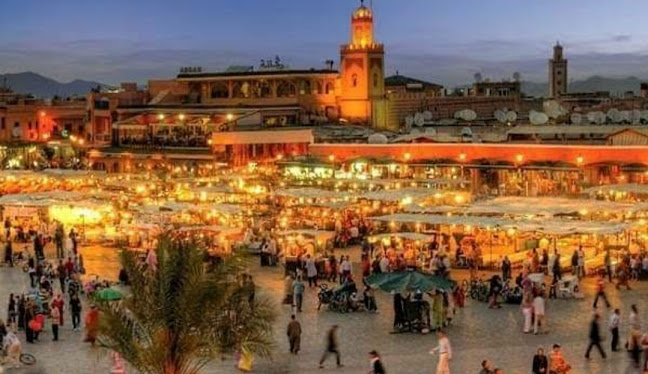
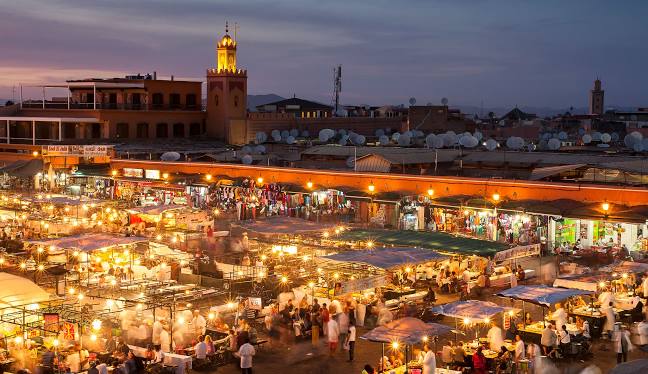
In Fez, for example, Morocco student trips can explore one of the world’s most famous old urban centers, where narrow streets, traditional crafts, mosques, madrasas, and markets reflect centuries of urban development. In Rabat, students can observe the role of a capital city that connects political institutions, heritage, and coastal life. Marrakech offers an energetic atmosphere where architecture, trade, storytelling, food culture, and tourism all come together. These places can support lessons in history, architecture, religion, economics, and sociology.
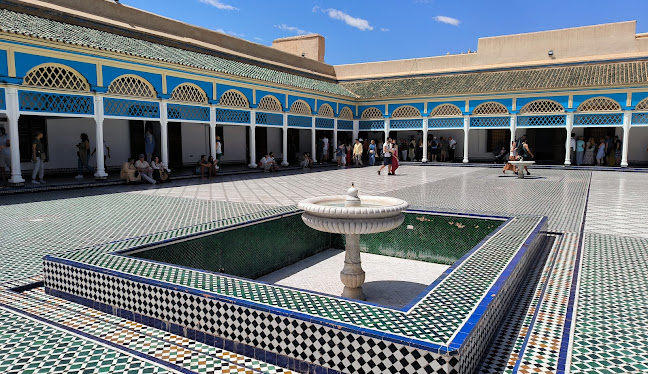
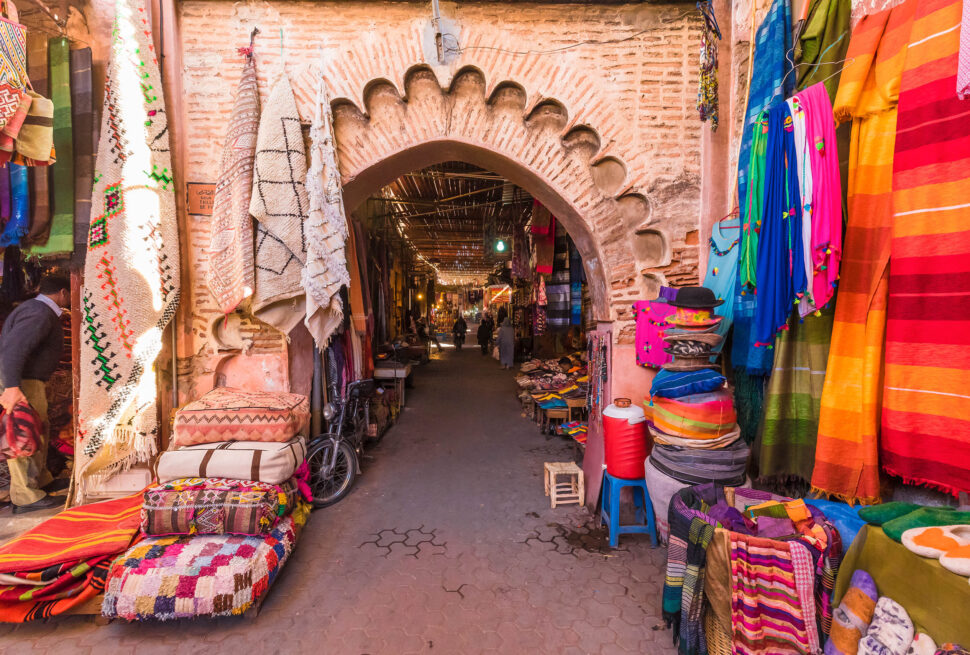
Morocco student trips can also focus on art and craftsmanship. Moroccan artisanship is one of the country’s most visible and respected traditions. Students can visit workshops where ceramics, zellige tiles, leather goods, carpets, wood carving, and metalwork are still produced using techniques passed down through generations. Seeing these skills in practice helps students appreciate manual knowledge, patience, and design. It also creates discussion about heritage preservation, the value of local industries, and the relationship between tradition and global markets.
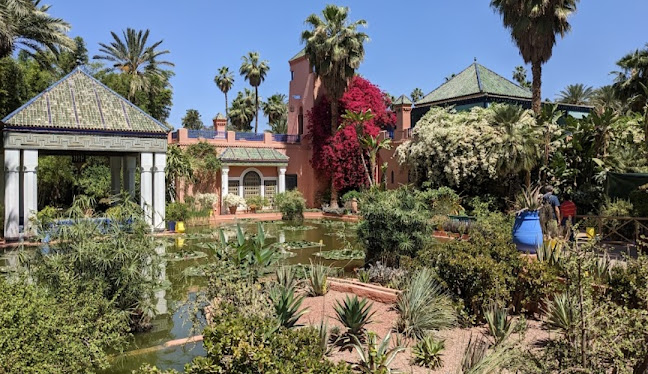
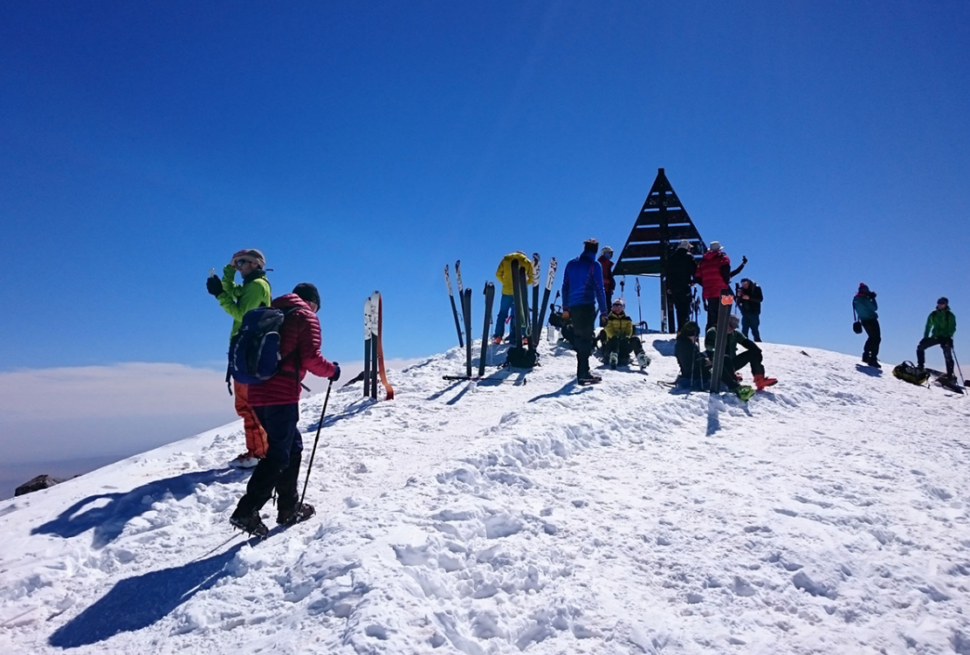
In art and design especially, Morocco student trips are a deeply inspiring option because patterns, colors, materials, and spatial design are present everywhere, from doors, fountains, textiles to courtyards. Another important strength of Morocco for student travel is its natural variety. In a relatively short period, students can experience mountains, coastlines, valleys, forests, and desert landscapes. A trip to the Atlas Mountains can introduce themes such as rural life, ecology, geology, and climate.
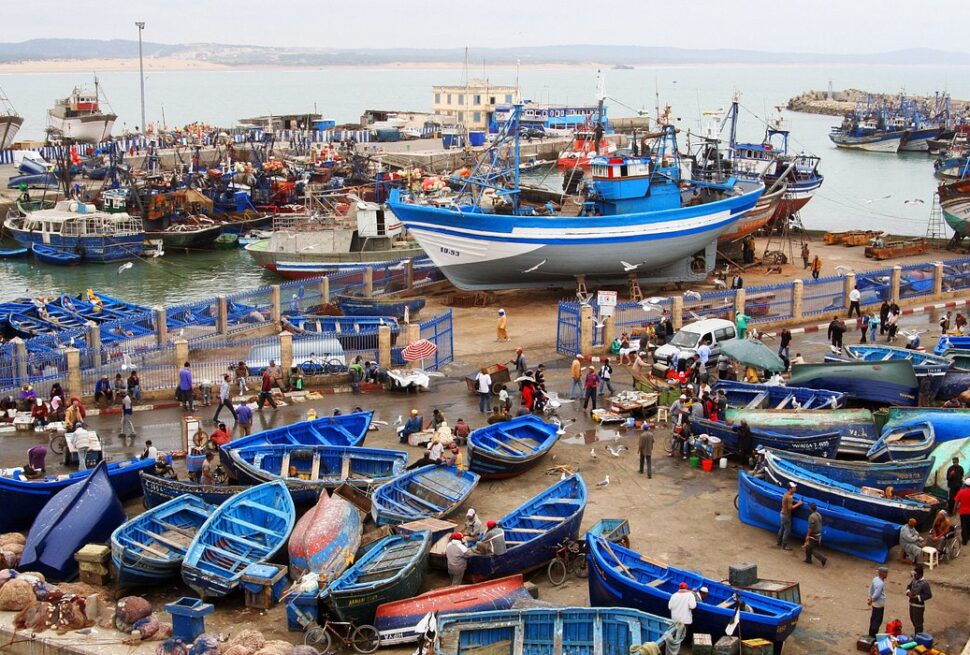
Morocco student trips can teach how communities adapt to altitude, weather, and limited infrastructure. In the Sahara region, students can reflect on desert ecosystems, water management, and the symbolic meaning of the desert in literature and culture. Along the Atlantic or Mediterranean coasts, they can explore marine environments, urban growth, tourism, and fishing economies. This diversity makes Morocco particularly suitable for interdisciplinary trips that combine environmental education with cultural discovery.
For language learning, Morocco student trips are also a highly rewarding option. Students studying Arabic or French can benefit greatly from direct exposure to daily communication. Hearing language used in real contexts is different from classroom learning. It teaches rhythm, expression, confidence, and flexibility. Even students with beginner-level skills can develop motivation through simple interactions in shops, cafés, museums, or guided visits. At the same time, they become more aware of linguistic diversity and the role language plays in identity and social life.
The Kingdom is especially useful in this regard because it shows that multilingualism is not abstract, but lived every day. Morocco student trips also encourage personal growth. Travel often pushes students to become more observant, respectful, and adaptable. In a new setting, they must learn how to listen, ask questions, and behave responsibly, becoming more aware of cultural differences in dress, hospitality, food, religion, family life, as well as public space.
These experiences can help reduce stereotypes and build empathy. Students often return from Morocco with a broader understanding of the world and a clearer sense of how societies can differ while still sharing common human values. Food is another meaningful part of Morocco student trips. Traditional dishes such as tagine, couscous, harira, msemen, and mint tea provide more than enjoyment. They open conversations about agriculture, regional identity, hospitality, and daily customs.
Shared meals during Morocco student trips often become moments of connection and reflection. They help students understand that food is part of culture, memory, and community. Visiting local markets can be equally educational, as students observe spices, fruits, vegetables, breads, olives, and cooking practices that reveal much about Moroccan life. A well-organized student trip to Morocco should also include moments of structured reflection.
Morocco student trips are not only moving from one city to another. The educational impact becomes stronger when students keep journals, discuss what they observe, or connect visits to themes studied before departure. A museum visit may become richer when linked to prior study of Islamic art or colonial history. A rural excursion may become more meaningful when related to questions of development, migration, or sustainability. Morocco rewards preparation because the country offers so many layers of meaning that students can easily move beyond surface impressions.
Safety, planning, and respectful conduct are important in Morocco student trips. Organizers should prepare students with practical knowledge about local customs, climate, transportation, and group behavior. Respect for religious spaces, modest clothing in appropriate contexts, and polite communication are essential. Students should also be encouraged to approach the trip with humility rather than judgment. The purpose is not only to see a new place, but to learn from it. When students understand this, they are more likely to engage in a mature and thoughtful way.
The Kingdom can serve many types of Morocco student trips. History students may focus on imperial cities and heritage sites. In geography, they can benefit from landscapes, water, and settlement patterns. Language students may practice Arabic or French. In art, they can explore ornament, architecture, and craft traditions. In business or economics, tourism, trade, and urban development can be explored. On the other hand, sociology students may look at youth culture, family life, and social change. This flexibility makes Morocco an ideal destination for educational travel because the same trip can support many learning goals at once.
What often makes Morocco student trips memorable is the balance between structure and surprise. A carefully planned itinerary may include museums, historical monuments, guided tours, and academic talks, but the most lasting impressions often come from small moments, such as hearing the call to prayer echo across a city, speaking with a local artisan, watching sunset over desert dunes, or getting lost in the sensory energy of a market. These moments stay with students because they connect knowledge to feeling, transforming information into lived experience.
Morocco student trips are much more than a convenient option where education can become vivid, human, and multidimensional. Students do not simply observe monuments or take photographs. They encounter complexity. They learn that identity can be plural, that history remains present in everyday life, and that geography shapes society in powerful ways. Students discover forms of beauty in architecture, landscape, language, and hospitality. Most importantly, they learn to see beyond their own assumptions. That is what makes a student trip truly successful, and Morocco offers that opportunity in abundance.